Horror games: why we pay to feel fear
I've worked with fear long enough to respect it as a tool. And no medium wields it with the video game's power — cinema shows you the dark corridor; the game puts the flashlight in your hand and waits for you to decide to advance.
Why interactive frightens more
The difference is structural: agency. In film, the viewer witnesses the danger; in the game, they're responsible for it. Every opened door was your choice, every wasted resource was your fault, and the body understands that responsibility — a genuinely racing heart, genuinely sweating hands on the controller. Add time: a film sustains ninety minutes of tension; a game, ten or twenty hours of vigilance. Interactive horror isn't watched. It's inhabited.
Fear's toolbox
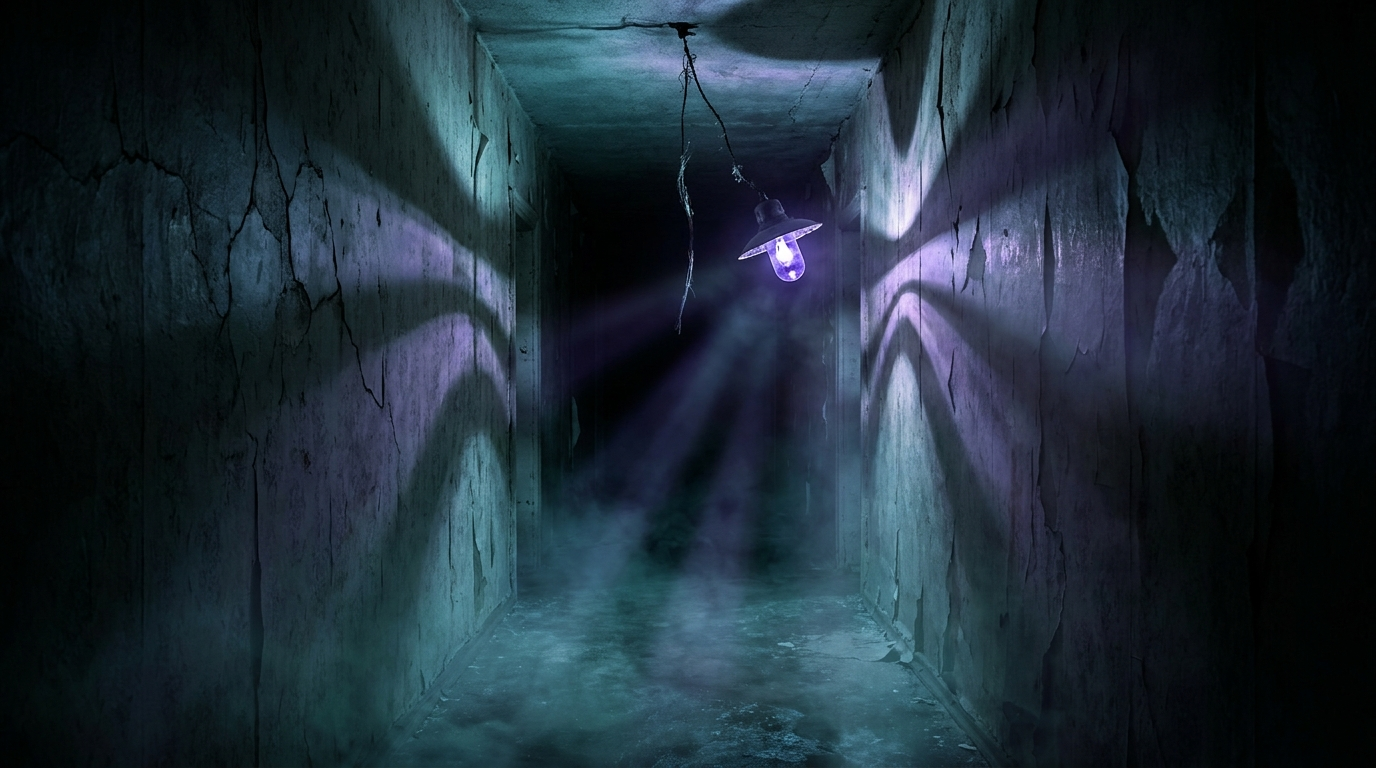
The genre's masters work with precise instruments. Scarcity: counted ammunition and limited saves turn every decision into a wager — half of classic survival horror's fear lives in the inventory, not the monster. Sound: the scratch behind the wall, the silence that lasts a beat too long; audio is the true villain, and always was — play any classic muted and watch the spell break. Vulnerability: the games that remove your weapon and leave only running and hiding understood that power and dread are inversely proportional. And imagination: the dark corridor frightens more than the revealed creature, because the rendered monster has limits — the imagined one, never.
What we're looking for
Neuroscience gives the case's least frightening answer: fear in a safe environment is an emotional gym. The amygdala fires, the whole body rehearses its response to danger — while background awareness whispers that a pause button exists. It's the roller coaster taken to maximum sophistication: adrenaline with a safety net, catharsis without consequence. And there's the social and private trophy of crossing through: whoever finished certain titles in the dark, on a headset, carries the experience like an honor scar.
The invitation
If you avoid the genre, a vigilante's suggestion: start at the border — tension and atmosphere before raw jump scares, short sessions, lights on if needed, no shame. Fear, dosed with respect, is among the most alive experiences this medium offers. I built an entire career on it.
— From the shadows, DKG.

The Knight
Editor, Dark Knight Gaming
DKG's editorial vigilante. Covers gaming culture, hardware and the industry from the city's shadows — with method, skepticism and zero clickbait.
About the project →Related
Stealth games: the art of winning without being seen
Anyone can win a firefight with enough ammunition. Winning without firing a single shot — that takes another class of player.
The villains that made us better gamers
A hero is worth the size of his enemies. In games, the great villains aren't obstacles — they're teachers with questionable methods.
The psychology of "just one more match"
It's 2 a.m. You promised to stop at 11. I know this pattern — and I know the architects who designed it. Understand the trick and take back control.