Mechanical keyboards: a switch guide for every style
Interrogate any enthusiast and they'll confess: the mechanical keyboard rabbit hole is deep. But the essential decision — the switch — resolves with an honest dossier. Here's mine.
The three classic families
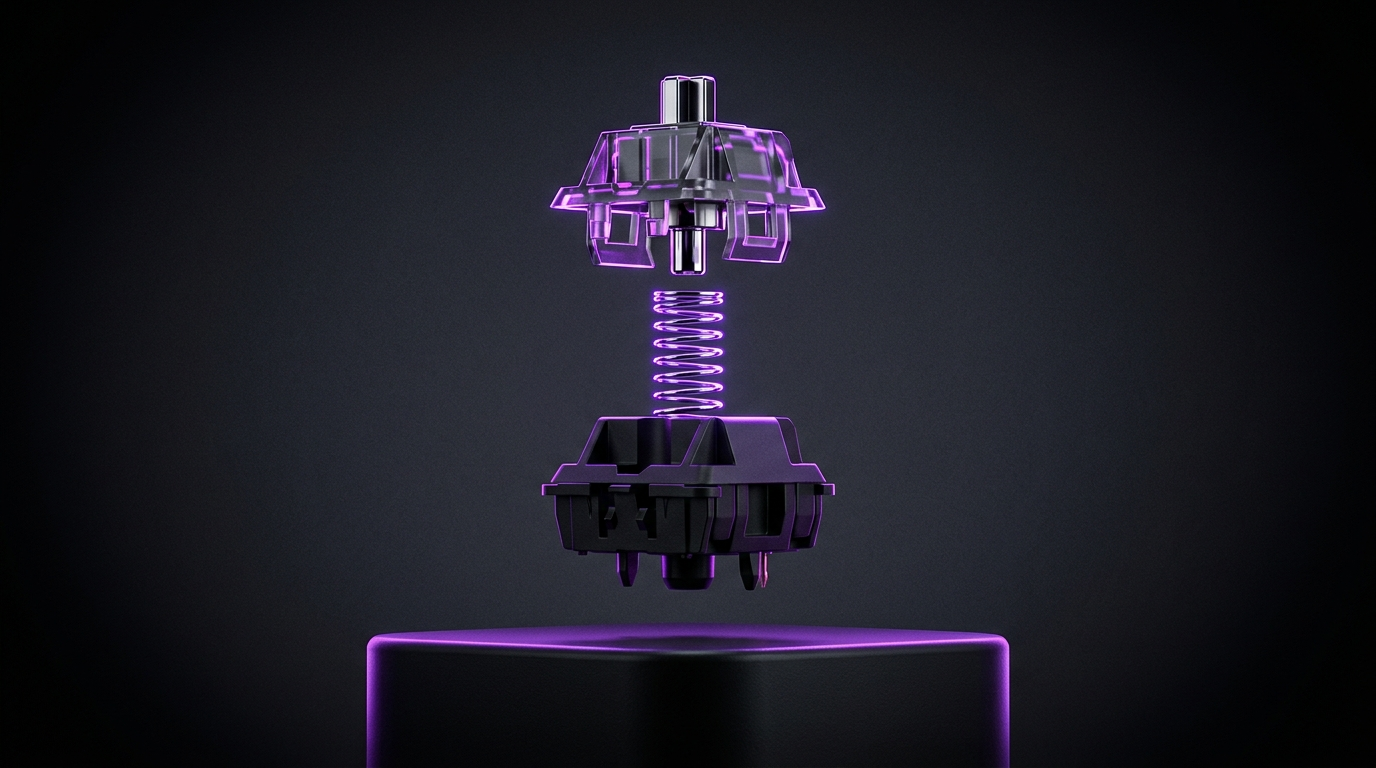
Linear: clean travel from top to bottom, no warning. Favored in competitive play for repeat speed and absolute predictability. Quiet enough for late nights. Tactile: a perceptible bump marks the actuation point — the finger knows it registered without bottoming out. The ideal balance for those who split the keyboard between gaming and heavy writing. Clicky: the tactile bump with an audible snap. Retro satisfaction guaranteed — and domestic peace threatened. Nobody who shares a room chooses clicky twice.
The new aristocracy: magnetics
Hall effect switches changed competitive play: with no physical contact to register, they allow an adjustable actuation point (from a 0.1mm graze to a deep press) and rapid trigger — the key re-arms the instant it starts rising. For FPS strafing, it's measurable advantage. For everything else in life, pleasant luxury. If you compete, consider seriously; if not, the classics remain impeccable.
What matters beyond the switch
Hot-swap is the regret clause: change switches without soldering and let the keyboard evolve with you. PBT keycaps resist the greasy shine of years. Well-tuned stabilizers separate quality sound from tin rattle — it's where cheap boards give themselves away. And the format: TKL or 75% for players (mouse space is performance), 60% for minimalists who memorized shortcuts, full-size for numpad dwellers.
Advice from someone who got it wrong
Buy a switch tester or an entry hot-swap board before the serious investment. Switch preference is like a fingerprint: non-transferable. The reviews' "perfect" switch may be unbearable under your fingers — and vice versa.
The right keyboard answers before the doubt. Like any good ally.
The right switch for each routine
| Your routine | Switch | Why |
|---|---|---|
| Pure competitive | Light linear (or magnetic) | Fast repetition, no bump |
| Gaming + heavy writing | Tactile | Feedback without bottoming out |
| Shared environment | Silent linear | Guaranteed domestic peace |
| Sound nostalgia, isolated room | Clicky | Satisfaction — responsibly |
— From the shadows, DKG.
Quick answers
Linear or tactile to start?
If you game more than you type, linear; if you type as much as you game, tactile. Getting it wrong isn't serious — it's preference, and hot-swap lets you change later.
Does hot-swap really matter?
It's the difference between a keyboard that evolves with you and one that needs full replacement. For a first mechanical, it's worth a lot.
Is a 60% keyboard limiting?
For gaming, almost never (more mouse room). For spreadsheets and numbers, the missing numpad charges dearly. The 75%/TKL is the middle ground that serves almost everyone.
What is rapid trigger?
A magnetic-switch feature: the key re-arms as soon as it starts rising, without returning to the top. In FPS strafing it gives measurable agility — relevant for competitive, luxury for everyone else.
🦇 The Knight's Recommended Arsenal
As an affiliate, I may earn a commission from purchases made through the links below — at no extra cost to you. Learn more.
Royal Kludge RK84
Swap switches with no solder, no drama.
Gateron Yellow Switches
Speed with no bump in the road.
SteelSeries Apex Pro TKL
Adjustable actuation, the new top of the chain.
HyperX Pudding Keycaps
Texture and durability for years.
Durock Keyboard Stabilizers
The clean sound of serious keyboards.

The Knight
Editor, Dark Knight Gaming
DKG's editorial vigilante. Covers gaming culture, hardware and the industry from the city's shadows — with method, skepticism and zero clickbait.
About the project →Related
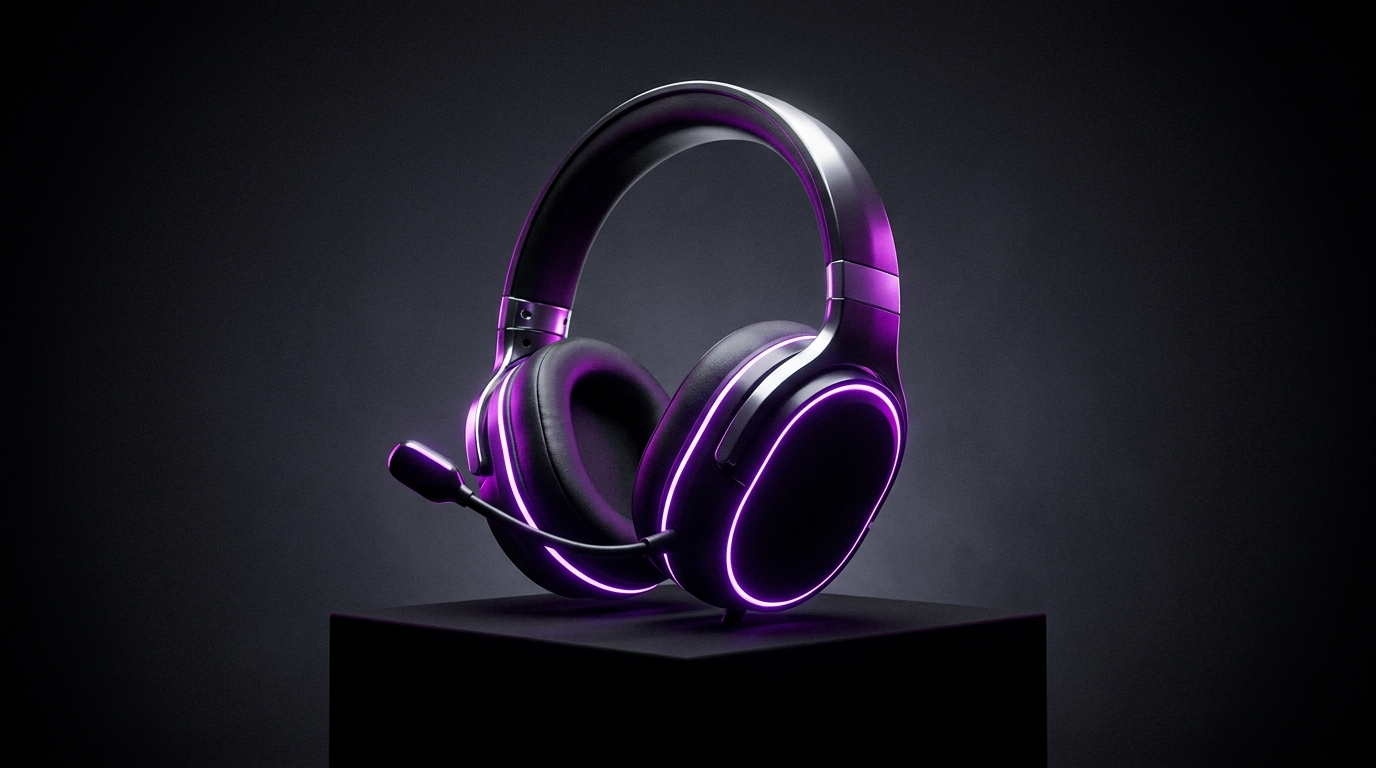
Gaming headsets: what really matters (and what's just marketing)
The market wants to sell you LEDs and a "7.1 surround" sticker. I want you to hear the enemy's footsteps before he thinks about taking the second one. Let's separate signal from noise.
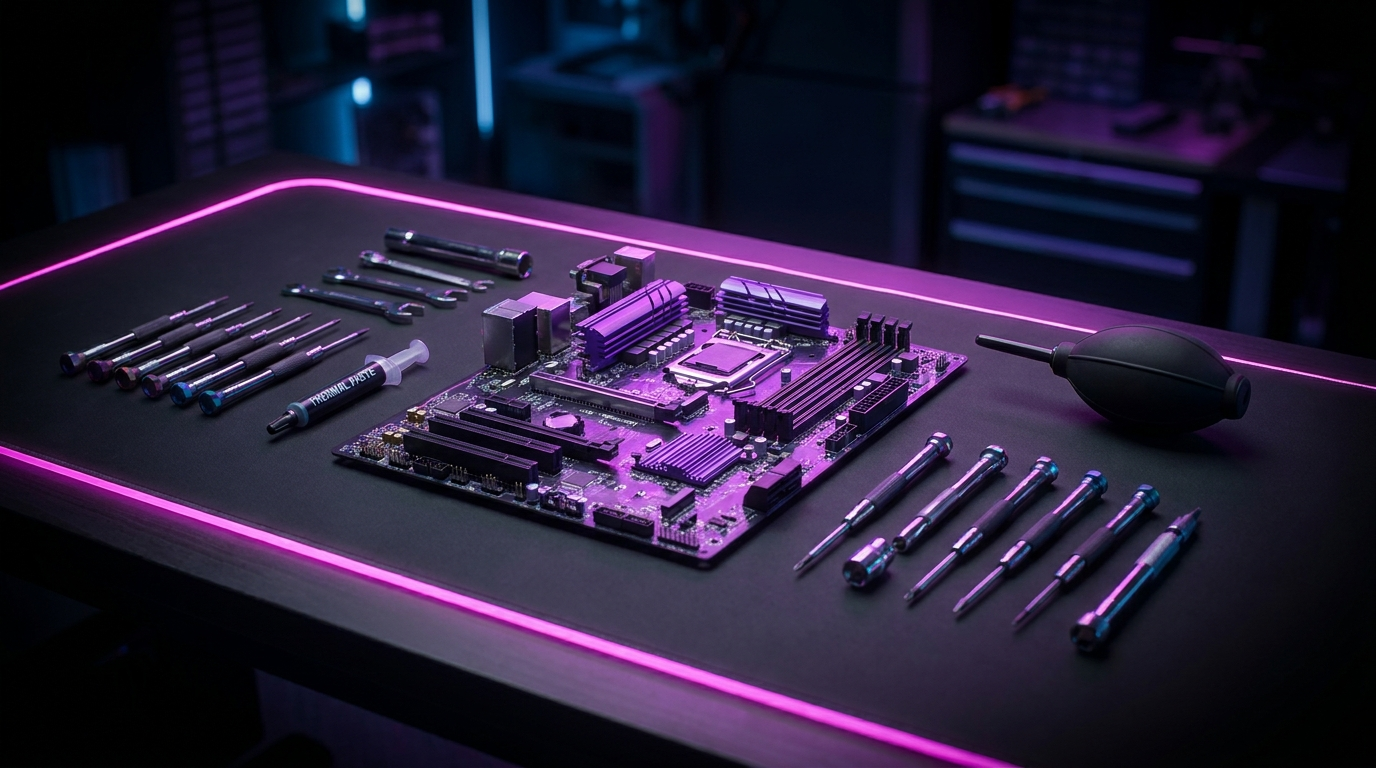
How to make your setup last 5 years
The machine doesn't die of old age — it dies of neglect and wrong upgrades. Maintenance and strategy for half a decade of loyal service.
Controller vs mouse and keyboard: the war nobody wins
Decades of flame war, and the answer remains the same: it depends on the weapon, it depends on the mission. An honest dossier on the hobby's oldest rivalry.