
Esports in Brazil: a powerhouse of fans and talent
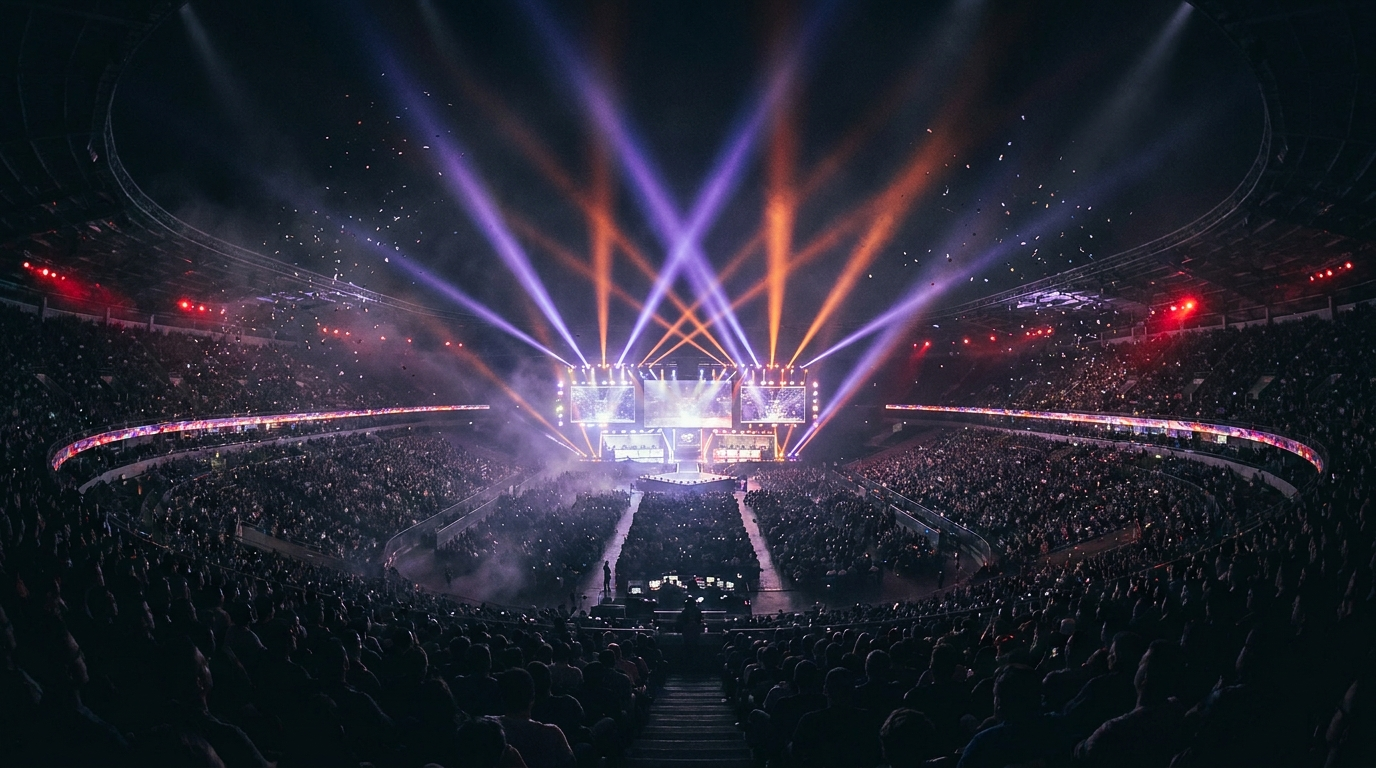
I've seen crowds in my city — protests, celebrations, panics. Nothing prepared me for what an esports final on Brazilian soil does to an arena: tens of thousands of voices singing for a team as if it were a continental football final, complete with taunting chants in unison. The entire esports world knows that sound. It's our signature.
The power of the terraces
The data confirms what the ears already knew: Brazil consistently ranks among the planet's largest esports audiences — tens of millions watching, mostly young, with per-viewer engagement that embarrasses richer markets. The international finals hosted here became legends of atmosphere: foreign organizations confess to playing "at home" when the Brazilian crowd adopts a team. Esports learned from our football what no spreadsheet teaches: a fanbase isn't an audience — it's an institution, with chants, rivalries and memory.
The talent factory
On the server, the tradition is real and has trophies: world champions in the tactical shooter that defined an era — the golden generation that planted the flag on the world's summit and inspired tens of thousands of aspirants —, permanent power in mobile battle royale, feared teams in the arena MOBA and the agent shooter. The Brazilian talent pattern is recognizable: creative aggression, improvisation under pressure, and a hunger comfortable markets don't produce. The periphery gaming houses that revealed champions tell the social story the trophy summarizes.
The giant's bottlenecks
The dossier demands honesty about the chains. Infrastructure: high ping to international servers and unequal internet still tax the talent — the inland prodigy competes carrying weight the European never knew. Sustainability: the investment cycle of euphoria and retreat drags historic organizations to the tightrope; star salaries coexist with a precarious amateur base. And the funnel: for every professional seat, thousands of aspirants without development structure, without the academy systems football took a century to build. Talent was never lacking; the ladder, always.
What's missing for the full title
World-class fans: we have them. World-class talent: we have it, in cycles. What's missing is the third pillar — a world-class industry: sustainable domestic leagues, youth development, careers beyond the stage (coaches, analysts, production) and patient capital. The day structure catches up with passion, the rest of the world won't compete with Brazil. It will study how we wasted so much time getting started.
— From the shadows, DKG.

The Knight
Editor, Dark Knight Gaming
DKG's editorial vigilante. Covers gaming culture, hardware and the industry from the city's shadows — with method, skepticism and zero clickbait.
About the project →Related

Game preservation: we are losing our history
Most classic games can't be legally purchased anywhere. While cinema built its film archives, games let their history rot on switched-off servers.

Accessibility: games finally learned to include
Decent subtitles, remappable controls, colorblind modes: what was once a favor became the standard — and the silent revolution benefits even those who think they don't need it.
Mobile: the giant hardcore gamers insist on ignoring
More than half of gaming's worldwide revenue fits in a device the enthusiast calls "not a real gaming machine". The decade's most expensive misread.