The Switch 2's first year: what we learned
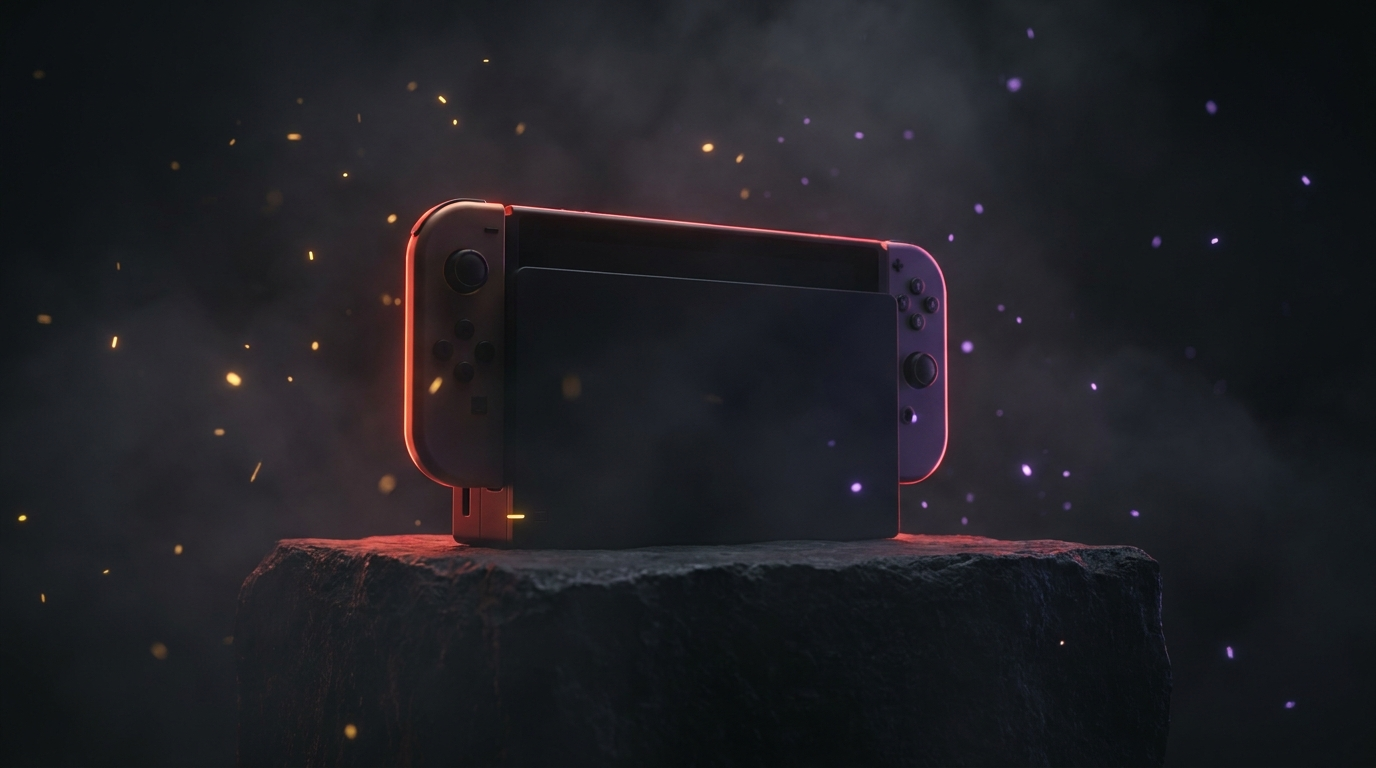
A year is the deadline I give any new operation before the verdict. The Japanese manufacturer's second-generation hybrid console completed its own — and the first-year report says less about hardware and more about the only company in the sector playing a different game from everyone else.
What the first year confirmed
The launch thesis proved out: continuity as product. Instead of reinventing, the second generation refined — a bigger, smoother screen, enough power to embarrass its predecessor without chasing the desktop competitors, near-total backward compatibility preserving libraries and trust. The public responded as it responds to kept promises: lines, initial sales records and a first year of accelerated adoption. The lesson the company has taught for decades and the market insists on relearning: customers don't buy spec sheets; they buy the certainty that the games they love will have a home.
The loud lessons
Not everything in the dossier is praise. First-party game prices rose and set an uncomfortable precedent for the whole industry. The accessory hunt and the early calculated scarcity tested the faithful's patience. And the company's old friction with the digital world — accounts, purchase portability, online services below the competition's standard — crossed into the new generation unsolved. These are the failures of those who can afford them: a monopoly on beloved characters forgives much. Forgives; doesn't absolve.
The redrawn board
The first year's most interesting effect lies outside the console: it redrew the market around itself. The hybrid format's continued success validated the entire handheld era — the pocket PCs, the streaming competitors, all run on the track the hybrid paved. The border between "portable" and "home" died this generation, and this console signed the certificate. Meanwhile, the first-party exclusives keep doing what they've always done: selling the box on their own, year after year, immune to comparative teardowns.
The twelve-month verdict
The first year confirms the doctrine this blog defends for any arsenal: the right tool isn't the strongest — it's the one that fits its owner's life. The second-generation hybrid is exactly that, now with more muscle. The city has room for the power machines and for the portable joy machine. One never threatened the other; the first year merely reconfirmed the armistice.
— From the shadows, DKG.

The Knight
Editor, Dark Knight Gaming
DKG's editorial vigilante. Covers gaming culture, hardware and the industry from the city's shadows — with method, skepticism and zero clickbait.
About the project →Related
Game preservation: we are losing our history
Most classic games can't be legally purchased anywhere. While cinema built its film archives, games let their history rot on switched-off servers.
Accessibility: games finally learned to include
Decent subtitles, remappable controls, colorblind modes: what was once a favor became the standard — and the silent revolution benefits even those who think they don't need it.
Mobile: the giant hardcore gamers insist on ignoring
More than half of gaming's worldwide revenue fits in a device the enthusiast calls "not a real gaming machine". The decade's most expensive misread.