Game prices: why they cost what they cost
I follow the money — and in games, the money tells a story full of paradoxes: the public complains about the highest prices in history while buying entire libraries for pocket change. An audit of game prices reveals less villainy and more economic physics than the forums admit. To the files.
The defense's case: costs exploded
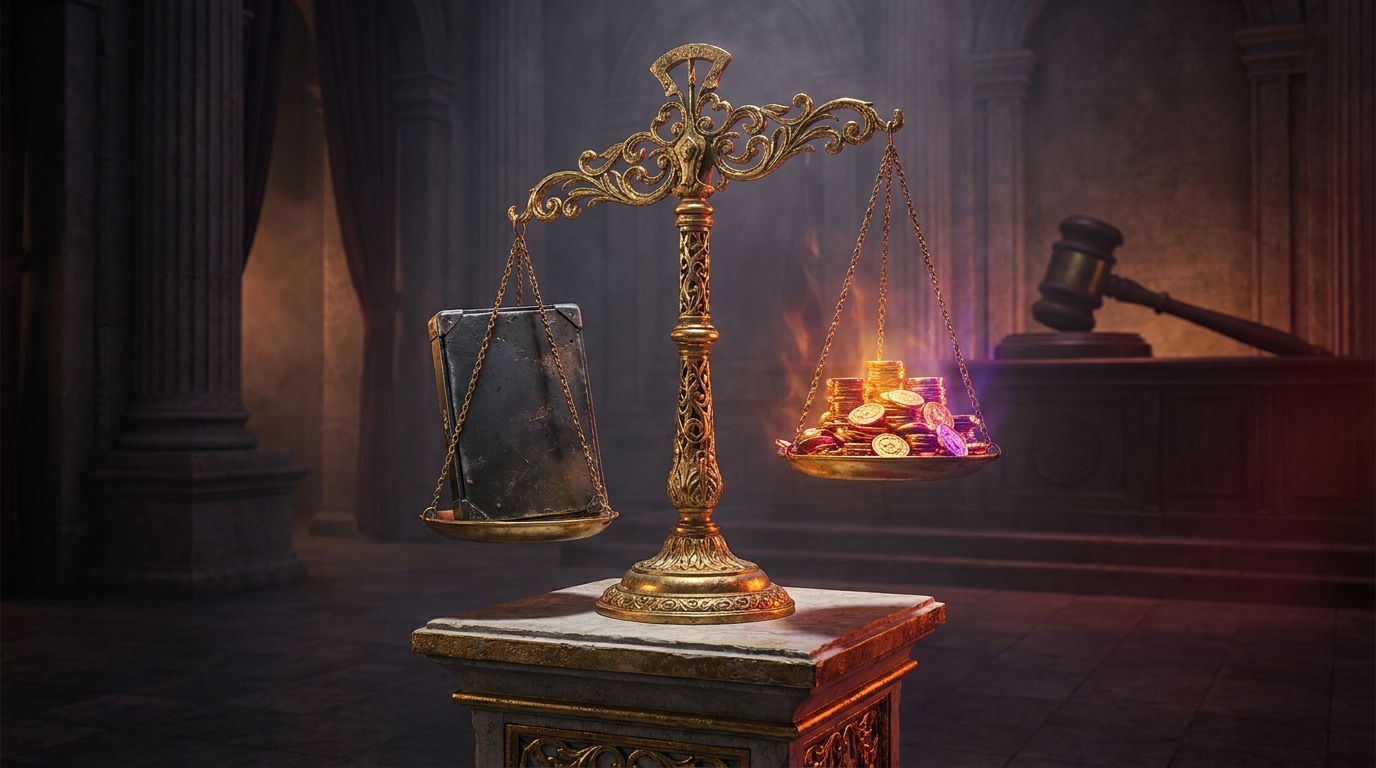
Production numbers are dizzying: the modern blockbuster costs hundreds of millions — motion-capture casts, orchestras, years of development by teams of thousands, with marketing frequently matching the game's budget. Adjusted for inflation, the 90s cartridge cost more than today's launch title — the medium held its nominal price for decades while every cost underneath it climbed, funding the gap with scale: the global market grew from millions to billions of players. The recent ceiling raise — normalized by the new consoles and the launch of the century — is, under cold accounting, entertainment's most overdue correction.
The prosecution's case: pricing became a maze
But the audit finds the usual fingerprints. The "full" price is rarely the price: standard, deluxe and ultimate editions slicing content already on the disc; season passes selling next year before the game proves its first month; the microtransaction inside the premium-priced product — the customer paying tolls inside a road they bought. The broken launch fixed by patch turned early adopters into paying testers. The public's legitimate complaint was never about the number on the tag; it's about the feeling that the tag became a tactic.
The physics of the current market
The full picture demands both ends: never has the ceiling been higher, and never has access been cheaper. Sales cut 70% within months; subscriptions deliver catalogs for the price of a pizza; free-to-play dominates the planet's played hours. The market stratified: those who need launch day finance the system; those who wait harvest the subsidy. It's regressive in reverse — and, ironically, functional.
The consumer's protocol
My purchasing doctrine, valid in any era: pay full price only for what you'd play twice; wait for the technical verdict before any preorder; treat the special edition as what it is — a tax on anxiety; and honor the studios that ship complete on day one with the only currency the industry hears. The fair price exists: it's the one you pay after knowing what you're buying.
— From the shadows, DKG.
The Knight
Editor, Dark Knight Gaming
DKG's editorial vigilante. Covers gaming culture, hardware and the industry from the city's shadows — with method, skepticism and zero clickbait.
About the project →Related

Game preservation: we are losing our history
Most classic games can't be legally purchased anywhere. While cinema built its film archives, games let their history rot on switched-off servers.
Accessibility: games finally learned to include
Decent subtitles, remappable controls, colorblind modes: what was once a favor became the standard — and the silent revolution benefits even those who think they don't need it.
Mobile: the giant hardcore gamers insist on ignoring
More than half of gaming's worldwide revenue fits in a device the enthusiast calls "not a real gaming machine". The decade's most expensive misread.