
The subscription war and the future of ownership
In the city, I learned to distrust any deal where you stop owning and start depending. The game-subscription era is exactly that deal, signed by millions with a smile — and like every important contract, it deserves a reading of the fine print.
What the subscription actually delivers
Fairness first: the model works. Catalogs of hundreds of titles for a pizza's monthly fee; first-party launches on day one; the freedom to try the genre you'd never buy — the odd simulator, the risky indie — at no marginal cost. For the exploring player and the tight budget, it's the best deal in the medium's history. Discovery statistics prove it: small games find in the catalog the audience the shop window never gave them.
The invisible clauses
But the contract has small letters, and I read them all. Ownership evaporated: the game leaving the catalog takes your save as an emotional hostage — you didn't lose a product, you lost access to a memory. Behavior changes: the average subscriber abandons more and goes deeper less; the infinite catalog produces the same paralysis as film streaming — thirty minutes choosing, nothing played deeply. Power concentrates: when a few platforms decide what enters the catalog, they also decide what's viable to produce; the studio depending on the subscription check designs games to please the catalog's algorithm, not the library's owner. And the price knows only one direction: every subscription's historical pattern — enter cheap, raise once dependence consolidates — has already confirmed itself across the sector's services.
The future of ownership
The underlying question is philosophical and patrimonial: what does "owning" a game mean in 2026? Physical media is dying, digital stores are revocable licenses, the subscription is acknowledged rent. My archivist's position: ownership still matters — for preservation, for replaying, for independence from platforms. The dramas of stores shutting down and taking entire libraries have already submitted the evidence.
The Knight's protocol
Mature use of the model: subscription as a discovery tool, purchase as an act of keeping. Subscribe to explore; buy — on sale, unhurried — what you loved and want within reach forever. And audit semiannually: an unused subscription is a corporate donation. Convenience is welcome in the arsenal. Dependence, never.
— From the shadows, DKG.
The Knight
Editor, Dark Knight Gaming
DKG's editorial vigilante. Covers gaming culture, hardware and the industry from the city's shadows — with method, skepticism and zero clickbait.
About the project →Related
Game preservation: we are losing our history
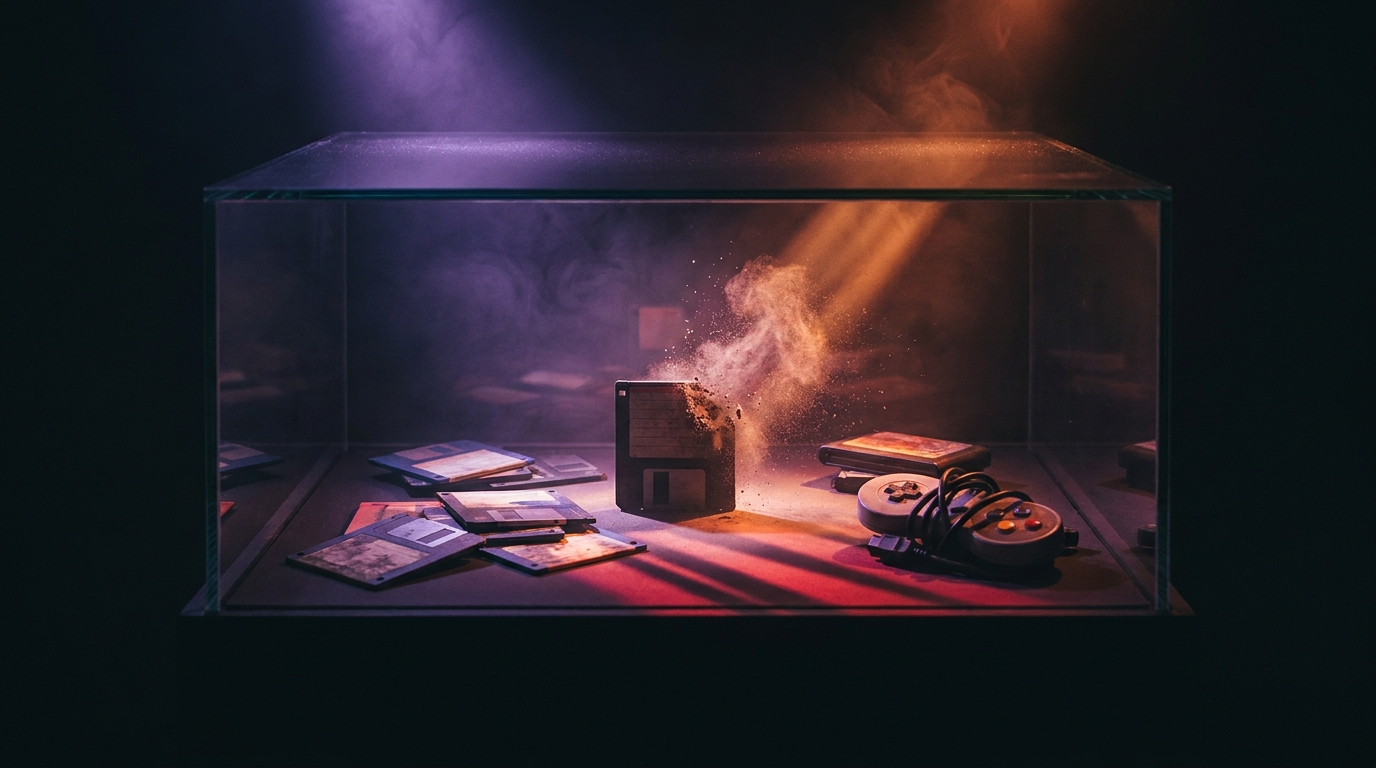
Most classic games can't be legally purchased anywhere. While cinema built its film archives, games let their history rot on switched-off servers.
Accessibility: games finally learned to include
Decent subtitles, remappable controls, colorblind modes: what was once a favor became the standard — and the silent revolution benefits even those who think they don't need it.

Mobile: the giant hardcore gamers insist on ignoring
More than half of gaming's worldwide revenue fits in a device the enthusiast calls "not a real gaming machine". The decade's most expensive misread.