Handhelds in 2026: the pocket PC became the standard
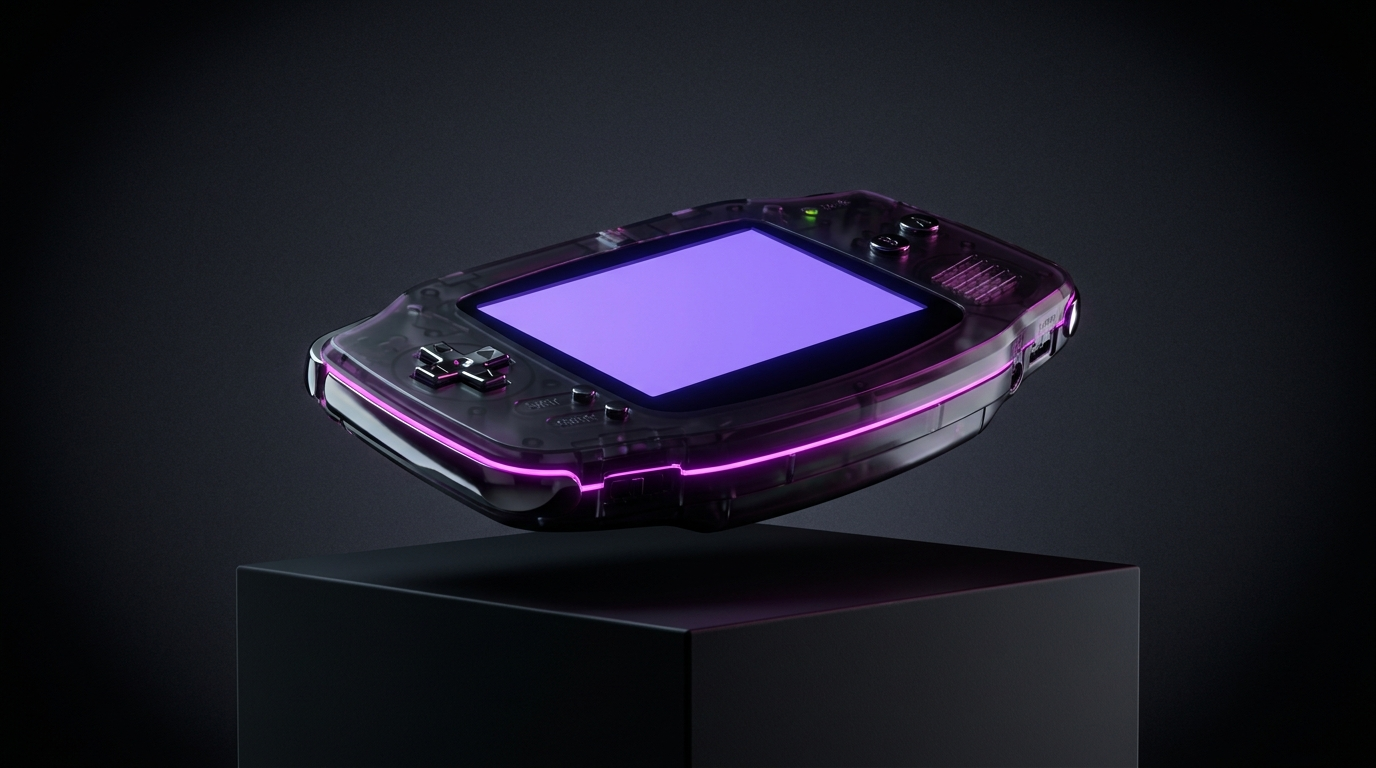
The watch post has moved. For decades it was a chair in front of a desk; today it fits in a backpack. Portable gaming PCs — handhelds — stopped being an experiment and became a consolidated category, with multiple manufacturers, successive generations and a new question in the air: do you still need to be in your room to play your library?
Why the category exploded
The answer is less about hardware and more about behavior. Adult life fragmented gaming time: forty minutes on the couch, twenty in a waiting room, an hour on a trip. The handheld turns those fragments into real sessions — with your PC library, your synced saves, your mods. It's not a smaller console: it's your entire collection, freed from the desk. Mature ergonomics, 90Hz+ screens and instant suspend did the rest.
What the marketing doesn't tell
First: battery life is the price of freedom. Heavy games drain it in ninety minutes to two hours — the handheld shines with indies, optimized titles and the discipline of FPS caps. Second: the graphics ceiling exists. It's an 800p-1080p machine at medium settings, and that's fine — on the small screen it looks like much more. Third: drivers and tweaking are part of the life; those who want absolute plug-and-play are still happier on a traditional console. Fourth: factory storage never suffices — budget the extra card or SSD at purchase time.
Who it makes sense for
The handheld is unbeatable for three profiles: the veteran with a giant backlog and shredded time; the frequent traveler; and whoever wants a second gaming station without building a second PC. With a dock, it even disguises itself as a living-room console. Whoever plays exclusively ranked competitive on a 240Hz monitor can skip it guilt-free — mouse and keyboard remain unbeatable at what they do.
The verdict
In 2026, the handheld doesn't replace the main PC: it completes it. It's the difference between protecting one block and patrolling the whole city. The question stopped being "is it worth it?" and became "which one fits your routine — and your backpack?".
Which portable path is yours
| Profile | Best path | Typical in-game battery |
|---|---|---|
| Big PC library, fragmented time | Handheld PC | 1.5–3 h (AAA) / 4–8 h (indies) |
| Family, exclusives, simplicity | Hybrid console | 3–6 h |
| Tight budget, good phone already | Phone + clip controller | 3–5 h |
— From the shadows, DKG.
Quick answers
Does a handheld replace a desktop PC?
For competitive mouse players, no. For story games, indies and casual co-op, it can in practice — especially docked to a TV.
Does it run AAA releases?
Yes, at medium/low settings in 800p-1080p — which looks far better on the small screen than it sounds. The real limit is battery, not performance.
How long does the battery last?
Heavy AAA: 90 minutes to 3 hours; indies and light games: 4 to 8. Capping FPS at 40-45 is the trick that stretches autonomy the most.
Is a dock worth it?
If you have a TV and a spare controller, it turns the portable into a second console for little money. Best value accessory in the category.
🦇 The Knight's Recommended Arsenal
As an affiliate, I may earn a commission from purchases made through the links below — at no extra cost to you. Learn more.
ASUS ROG Ally X
The whole library on the couch, in bed, on the road.
tomtoc Carrying Case
Protection worthy of the investment.
SanDisk 1TB microSD
Room for the collection to travel along.
JSAUX 6-in-1 Dock
From portable to desktop console in one click.
Anker Prime 100W Power Bank
Autonomy for vigils far from the outlet.

The Knight
Editor, Dark Knight Gaming
DKG's editorial vigilante. Covers gaming culture, hardware and the industry from the city's shadows — with method, skepticism and zero clickbait.
About the project →Related
Gaming headsets: what really matters (and what's just marketing)
The market wants to sell you LEDs and a "7.1 surround" sticker. I want you to hear the enemy's footsteps before he thinks about taking the second one. Let's separate signal from noise.
How to make your setup last 5 years
The machine doesn't die of old age — it dies of neglect and wrong upgrades. Maintenance and strategy for half a decade of loyal service.
Controller vs mouse and keyboard: the war nobody wins
Decades of flame war, and the answer remains the same: it depends on the weapon, it depends on the mission. An honest dossier on the hobby's oldest rivalry.