Metroidvanias: the genre that refuses to die
Some investigation methods never age: map the territory, mark the locked doors, return when you have the right tool. There's an entire genre built on that method — and it crossed four decades, one announced death and one glorious resurrection.
The foundation: two schools, one principle
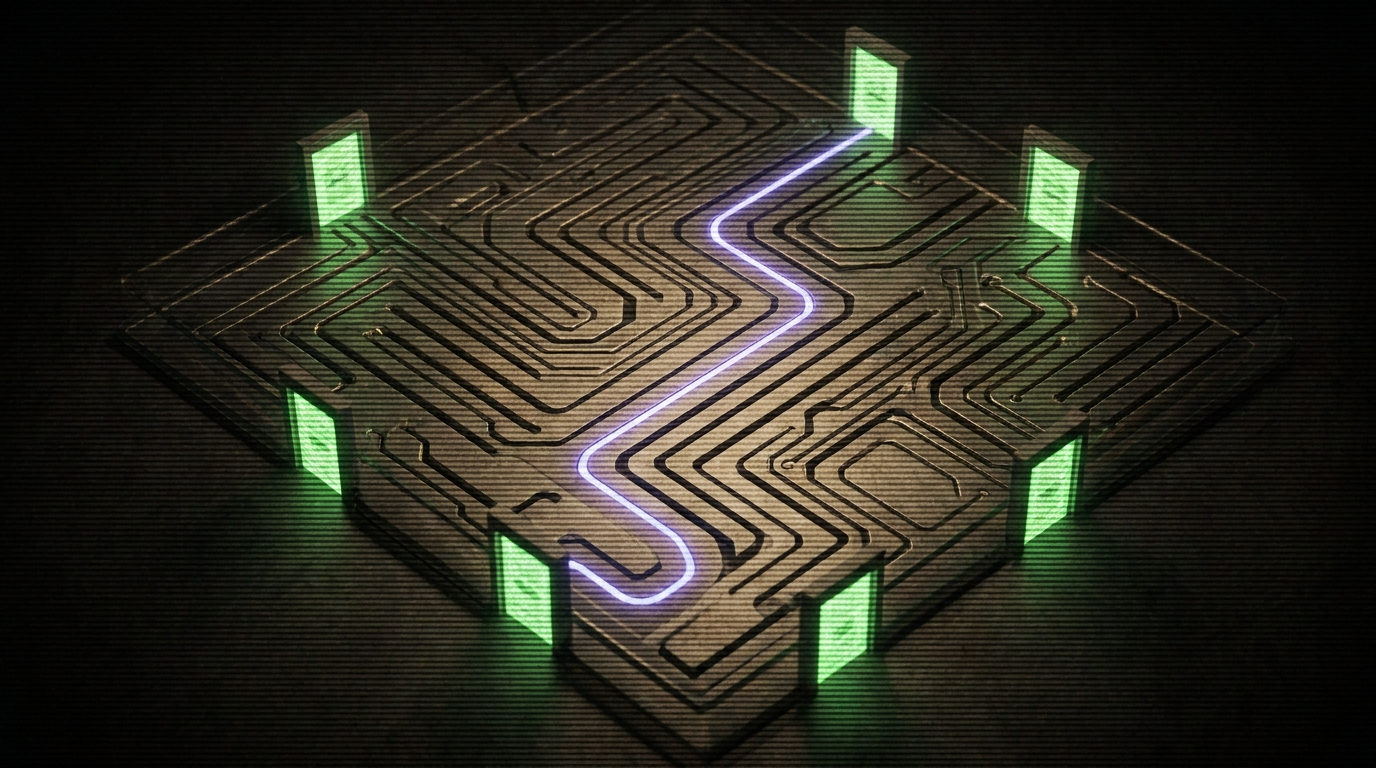
The 80s and 90s: two franchises — one about a lone space bounty hunter, another about vampire hunters — converge on the same blueprint: a single interconnected world, explorable in supervised freedom, where new abilities reopen old areas. The genre's name was born from merging the two titles, but the principle runs deeper than the homage: the map is the puzzle. There are no levels; there's a place. And places, unlike levels, keep secrets for those who return.
The genre's grammar
The classic metroidvania operates by precise rules. The visible lock: you see the unreachable platform, the cracked wall, the colored door — and the game plants its silent promise: come back when you can. The key-ability: the double jump, the air dash, the bomb — each new power isn't just combat, it's urban permission; the whole world reorganizes in the player's head with every acquisition. The map moment: that epiphany of looking at the map and realizing the new area connects to the beginning through an impossible-to-predict shortcut — the genre's emotional signature, the "ahh" no marker-filled open world delivers. And the sequence break: the best examples leave gaps for the skilled to break the intended order — maximum respect for the player who studies.
Death and resurrection
In the 2000s the genre was declared unviable: expensive to design, hard to sell, "too niche". The big studios abandoned the post. The independent scene took over the patrol — and the niche became a renaissance: a knight with a sword and needle in an underground kingdom proved the genre could be a commercial masterpiece; dozens of successors raised the bar for art, score and design. Today the metroidvania is the ambitious indie's favorite format — controllable scope, infinite depth.
Why it doesn't die
Because it's the genre of the kept promise. Every locked door is a debt the game takes on with you — and paying debts, I've learned across my nights, is what separates institutions that endure from ones that collapse. The metroidvania pays them all. It always did.
— From the shadows, DKG.

The Knight
Editor, Dark Knight Gaming
DKG's editorial vigilante. Covers gaming culture, hardware and the industry from the city's shadows — with method, skepticism and zero clickbait.
About the project →Related
Souls: the saga that taught games to respect the player
Before 2009, difficulty was punishment without purpose. After Demon's Souls, it became a language of respect. I was there. I remember.

Survival horror: the history of the genre that taught games fear
Fixed cameras, counted bullets and creaking doors: the chronicle of the genre that proved the player's weakness is design's most powerful tool.
Multiplayer: from split screen to global crossplay
From your friend's elbow on the couch to a squad spread across three continents: how games learned to connect us — and what got left on the couch.